
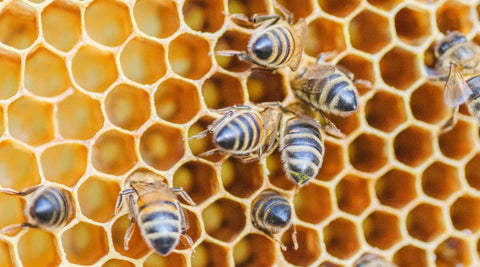
Have you ever wondered what happens inside a beehive to create that golden, delicious nectar? At Happy Bees Market, we believe that understanding the process makes the taste even sweeter. From the vast Sonoran Desert to our sustainable apiaries, here is the step-by-step journey of how our raw Arizona honey is made.
1. Foraging for Desert Nectar
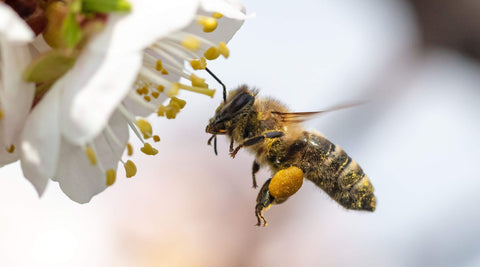
The process begins with the "scout" bees. These foragers fly up to three miles from the hive to find the best nectar sources, such as our seasonal Mesquite and Orange Blossom blooms. Using their long, tube-like tongues (proboscis), they drink the nectar and store it in a specialized "honey stomach" separate from their digestive system.
2. The Enzyme Transformation
Once the foragers return to the hive, they pass the nectar to "house bees." As the nectar is passed from bee to bee, natural enzymes are added. These enzymes, like invertase, break down the complex sugars of the nectar into simple sugars (glucose and fructose), making the honey easier for humans to digest and giving it its long shelf-life.
3. Reducing Moisture via Evaporation
At this stage, the "honey" is still very watery. To thicken it, the bees spread the nectar into the hexagonal cells of the honeycomb. They then use their wings to fan the cells, creating a constant breeze that evaporates the excess moisture until the honey reaches a water content of less than 18%.
4. Sealing the Liquid Gold
Once the honey is thick and perfect, the bees seal the cell with a fresh layer of beeswax. This "capping" preserves the honey indefinitely. This is when our beekeepers step in, using sustainable harvesting practices that ensure the bees always have enough honey and pollen to thrive through the winter.
5. Why "Raw" Matters
Most commercial honeys are ultra-filtered and heated to high temperatures (pasteurization), which kills the beneficial enzymes and removes the local desert pollen.
-
Unfiltered: We keep the natural bits of pollen and propolis in the jar.
-
Unheated: We never "cook" our honey, ensuring the antioxidants remain intact.
-
No Refined Sugar: Our bees are never fed artificial stimulants, so you get 100% pure nectar.




Comments (2)
After reading how honey is made I found out that back in the 40s us kids called honey Bee Barf we were right.
After reading how honey is made I found out that back in the 40s us kids called honey Bee Barf we were right.