
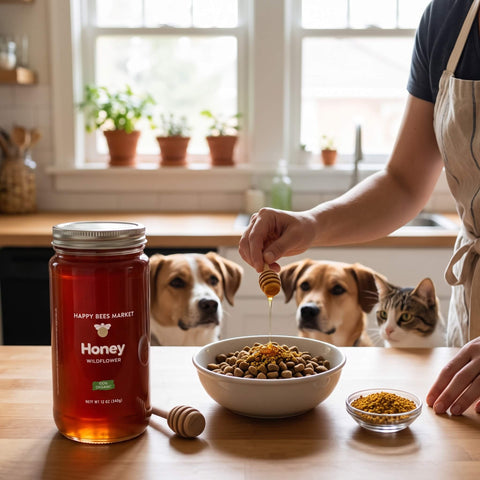
If your home sounds like a chorus of sudden pet sneezes, wheezy snorts, and wet nose-wipes across the sofa cushions, allergy season has officially hit your household.
Just like us, cats and dogs suffer when airborne blooms erupt in the breeze. Microscopic pollens settle right into their nasal passages, triggering watery eyes, reverse sneezing fits, congestion, and that endless, drippy nose.
Watching our companions deal with sinus misery is tough, and constantly reaching for medicated drops or antihistamines isn't always ideal. That’s why more and more pet parents are checking the pantry for a gentler, hive-crafted alternative: raw, unfiltered local honey and pure bee pollen.
Can a daily spoonful really help clear up your pet’s runny nose and sneezes? Here is the sweet science behind this ancient remedy.
Real Pet Parent Story: From Benadryl to Sneeze-Free
We hear wonderful feedback from our local community, but a recent note from verified customer Janine S. stood out:
"I actually got it for my Miniature Pinscher she has allergies she gets to have a Benadryl and it wasn't enough so I started giving her a little bit of your honey and now she's allergy free and of course I use it in my tea it's very good thank you"
Janine’s experience is a story we hear time and time again. Within 7 to 10 days of adding a dab of pure raw honey or a tiny pinch of fresh pollen granules to their pet's bowl, pet parents often notice that the wet sneezes dry up, the puffy eyes clear, and their pet’s easy breathing returns.
Nature’s Micro-Dose: How Raw Honey Clears Congested Pets
Processed commercial honey from regular supermarkets is heat-pasteurized, which strips away the active botanicals. Genuine, unfiltered raw honey straight from local desert hives works completely differently:
-
Natural Desensitization: Raw honey contains microscopic traces of the specific pollens floating through your local air. Eating small, steady amounts acts like gentle daily immunotherapy. Over time, your pet's immune system stops overreacting to every breeze with runny eyes and fits of sneezing.
-
Living Soothing Enzymes: Because raw honey is never heat-treated, it preserves beneficial bee propolis, floral flavonoids, and live enzymes that naturally soothe irritated mucus membranes in the throat and sinuses.
-
Mucus & Sinus Relief: Honey provides a gentle, natural coating action that eases throat tickles and calms the airways during pollen spikes.
Bee Pollen: The Natural Antihistamine Powerhouse
If raw honey is nature’s soothing nectar, raw bee pollen is the respiratory powerhouse.
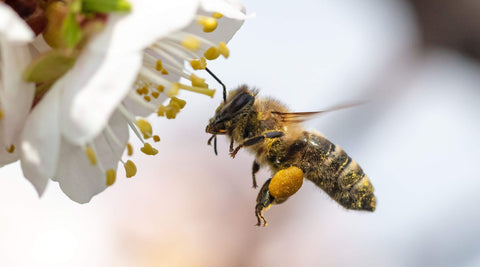
Bee pollen contains over 250 biologically active nutrients, enzymes, and antioxidants. Most importantly for congested pets, it is exceptionally rich in quercetin—a natural plant flavonoid known as nature’s antihistamine.
Quercetin works to:
-
Inhibit histamine releases, helping stop runny noses and watery eyes before they start.
-
Support healthy, clear sinus tracts and normal respiratory comfort.
-
Strengthen your pet's overall immune vitality against environmental dust and pollen blooms.
Safe Daily Portions for Dogs & Cats
Because pure honey is naturally sweet, a tiny portion is all your pet needs to build respiratory tolerance:
| Pet Size / Type | Raw Honey Daily Serving | Raw Bee Pollen Daily Serving |
| Cats & Small Dogs (under 15 lbs) | ⅛ to ¼ teaspoon | 2–3 granules crushed over food |
| Medium Pets (15–45 lbs) | ½ teaspoon | ¼ teaspoon |
| Large Pets (45+ lbs) | 1 full teaspoon | ½ teaspoon |
Serving tip: Raw honey can be licked straight off a spoon or mixed with a dab of food. Bee pollen granules can easily be crushed between your fingers into a fine golden dust over their daily meal.
Safety First: Golden Hive Guidelines
Before you start, keep these important health guidelines in mind:
-
Never Feed Honey to Pets Under 1 Year: Just like human babies, puppies and kittens under 12 months do not have mature digestive systems capable of handling raw botulism spores. Wait until they celebrate their first birthday!
-
Check with Your Vet for Underlying Conditions: If your dog or cat is diabetic, insulin-resistant, or struggling with serious metabolic issues, consult your veterinarian before adding honey to their meals.
-
Start Slow: Begin with a single drop of honey or one granule of pollen to ensure your pet digests it comfortably before working up to the full daily portion.
Help Your Companion Breathe Easy Again
Don't let seasonal pollen ruin your pet's outdoor adventures. A little bit of pure, raw hive support can help quiet the sneezes, clear up the runny noses, and get your pet back to feeling their lively, comfortable self.
Looking for raw, unfiltered nectar from local blooms? Explore our 100% Raw Arizona Honey Collection and help your pets enjoy clear days ahead!







Comments (0)
There are no comments for this article. Be the first one to leave a message!